The Best Time to Visit the Big Island
Discover the best time to visit Hawaii’s Big Island. Learn about seasonal weather, whale season, crowd levels, and the best months for beaches and activities.
The Best Time to Visit the Big Island
Hawaii’s Big Island is one of the few destinations where travel is possible—and enjoyable—year-round. Thanks to its tropical climate and diverse geography, the island offers warm weather, outdoor adventures, and ocean activities in every season.
Still, the best time to visit the Big Island depends on what you’re hoping to experience. Some travelers prioritize whale watching or snorkeling conditions, while others want fewer crowds or the warmest beach weather.
Understanding how the island’s seasons differ can help you choose travel dates that align with your ideal vacation.
Understanding the Big Island’s Climate
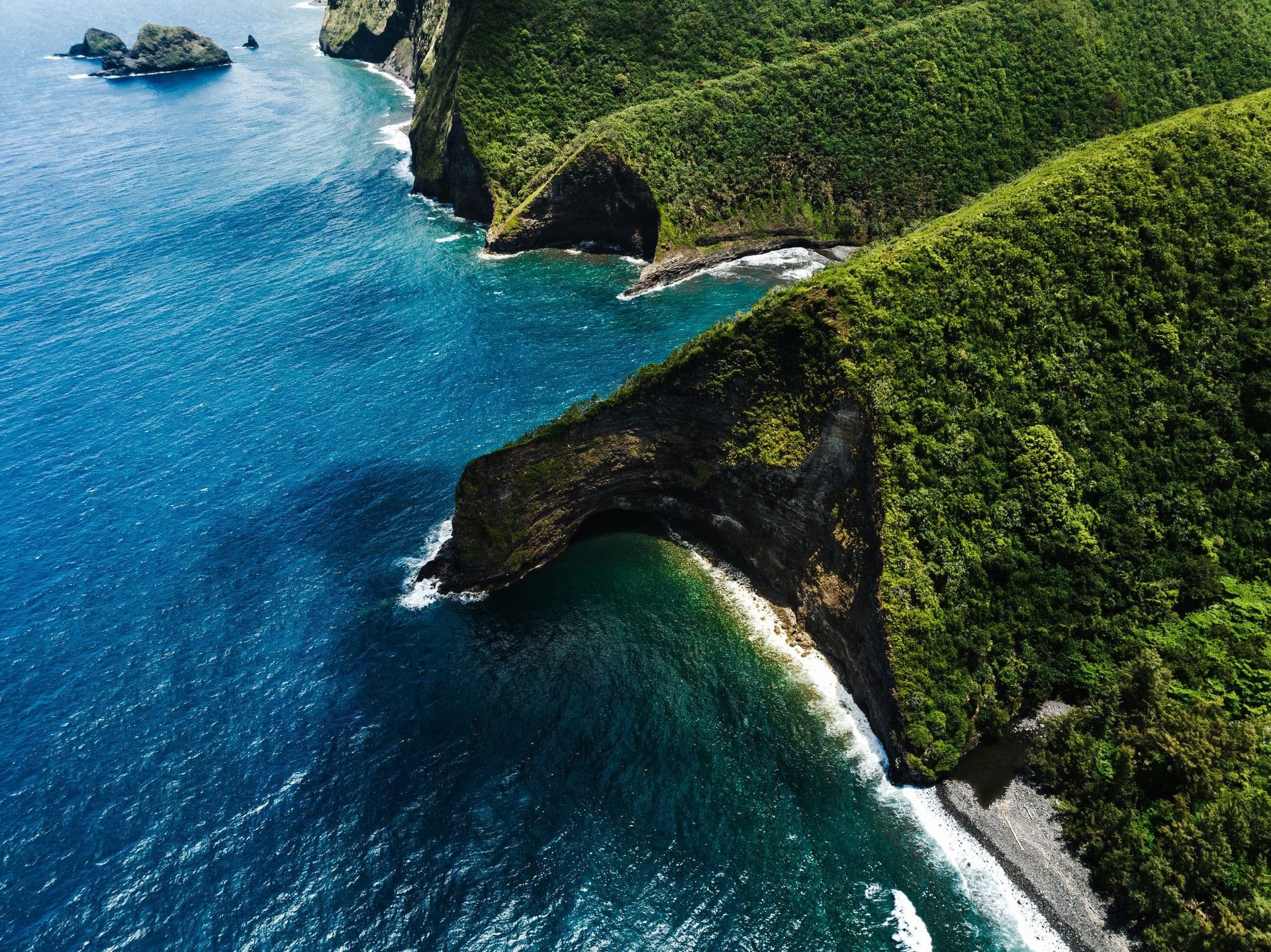
One of the most unique aspects of the Big Island is its range of microclimates. The island’s mountains—including Mauna Kea and Mauna Loa—create dramatic weather variations depending on where you are.
Generally speaking:
- Kona and Kohala Coast: Sunny and dry
- Hilo and eastern side: Lush and rainy
- Higher elevations: Cooler temperatures
Because most visitors stay along the Kona Coast, many experience consistently sunny weather throughout the year.
Even during Hawaii’s rainy season, rain showers are often brief and followed by sunshine.

Winter on the Big Island (December–March)
Winter is one of the most popular times to visit Hawaii. While much of the mainland experiences cold temperatures, the Big Island remains warm and welcoming.
Average temperatures typically range from the mid-70s to low-80s during the day.
Why Visit in Winter
Winter travel offers several unique highlights:
- Humpback whale season, when whales migrate through Hawaiian waters
- Comfortable temperatures for outdoor activities
- Lush landscapes thanks to seasonal rainfall
- A vibrant holiday atmosphere across the islands
This is also peak travel season, particularly around the winter holidays and early spring break periods. Booking accommodations early is recommended.
Spring on the Big Island (April–June)
Spring is often considered one of the best times to visit the Big Island. The weather remains warm and sunny, but crowds begin to thin after the busy winter season.
This period offers a balance between excellent conditions and more relaxed travel.
Why Visit in Spring
Travelers visiting in spring enjoy:
- Pleasant beach weather
- Lower visitor numbers than winter
- Ideal conditions for hiking and exploring
- Excellent snorkeling visibility
Because the island feels slightly quieter during these months, many repeat visitors prefer spring for a more relaxed experience.
Summer on the Big Island (July–September)
Summer brings warmer temperatures and longer days, making it especially popular with families traveling during school holidays.
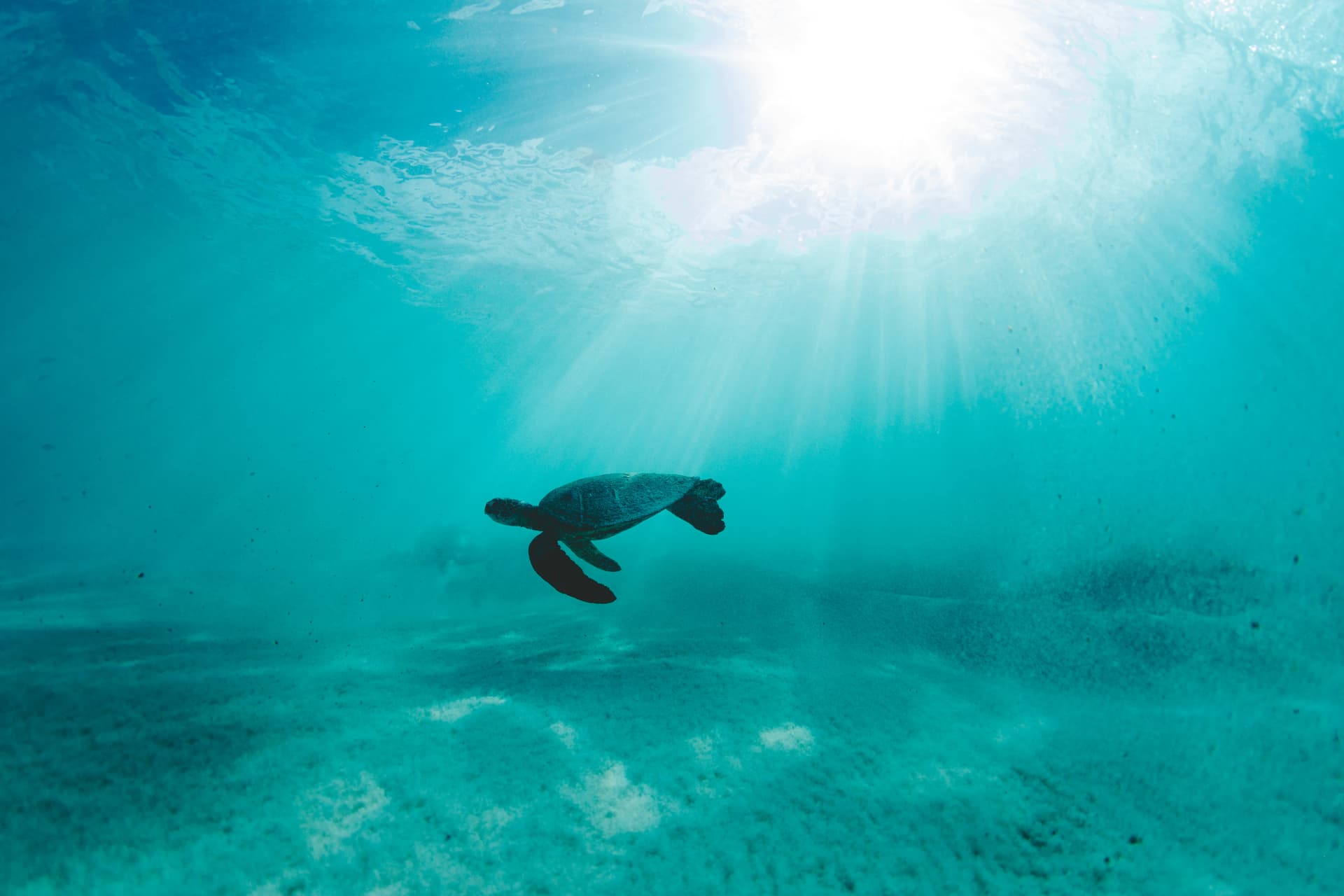
The ocean is typically calmest during summer months, which creates excellent conditions for water activities.
Why Visit in Summer
Summer travel is ideal for:
- Snorkeling and ocean excursions
- Beach days with consistently warm water
- Family vacations and group trips
- Extended outdoor exploration
While summer sees higher visitor numbers, the Big Island’s size means it rarely feels overly crowded compared to other Hawaiian destinations.
Fall on the Big Island (October–November)
Fall is often considered one of the most underrated times to visit the Big Island. Temperatures remain warm, ocean conditions are still favorable, and visitor numbers tend to decrease.
Why Visit in Fall
Fall offers several advantages:
- Fewer crowds than peak seasons
- Warm ocean temperatures
- Flexible travel availability
- A slower, more relaxed island pace
For travelers seeking tranquility and open beaches, fall can be one of the most rewarding times to visit.
Best Time to Visit the Big Island for Beaches
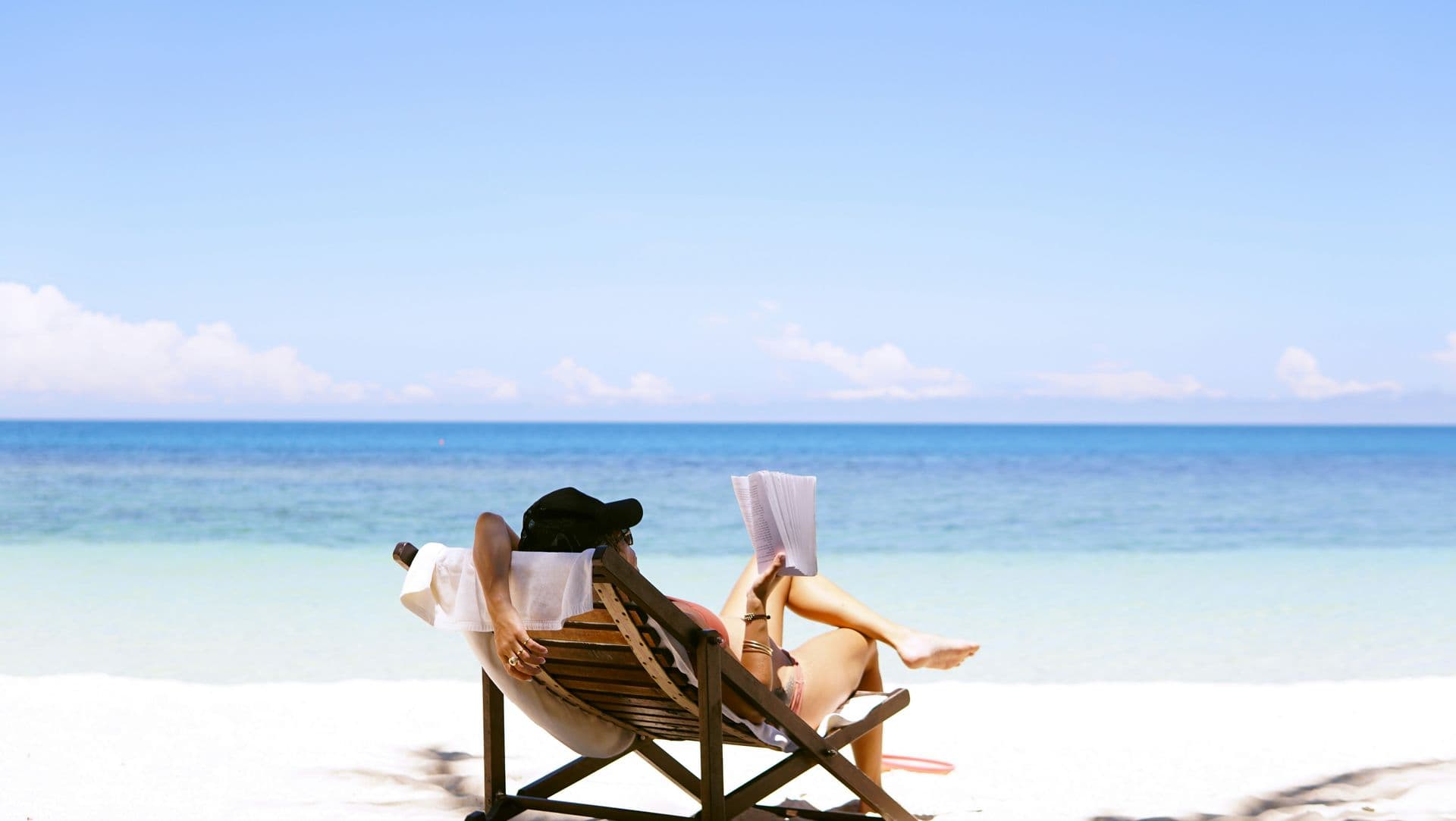
Beach conditions remain good year-round, but certain seasons provide particularly ideal ocean conditions.
Generally speaking:
- Summer offers calmer waters for swimming and snorkeling
- Spring and fall provide warm temperatures with fewer crowds
- Winter can bring larger surf along some coastlines
Many of the island’s most beautiful beaches are located along the Kona and Kohala coasts, where sunny conditions are common throughout the year.

Best Time to Visit the Big Island for Whale Watching
Humpback whale season typically runs from December through March, when thousands of whales migrate from Alaska to Hawaiian waters.
The Kona Coast provides several excellent viewing opportunities, and boat tours often operate during peak months.
Whale sightings are one of the most memorable winter travel experiences on the island.

Best Time to Visit the Big Island for Fewer Crowds
Travelers who prioritize quieter beaches and more flexibility often visit during:
- Late April through early June
- September through early November
These shoulder seasons offer many of the same weather advantages as peak months while avoiding the busiest travel periods.
Final Thoughts on the Best Time to Visit the Big Island
The Big Island offers something special in every season. Whether you’re drawn by whale watching, snorkeling, volcano exploration, or simply relaxing by the ocean, there’s never a bad time to experience Hawaii’s largest island.
Choosing the right travel window—and the right place to stay—can make the difference between a good trip and an unforgettable one.
Homes that inspire
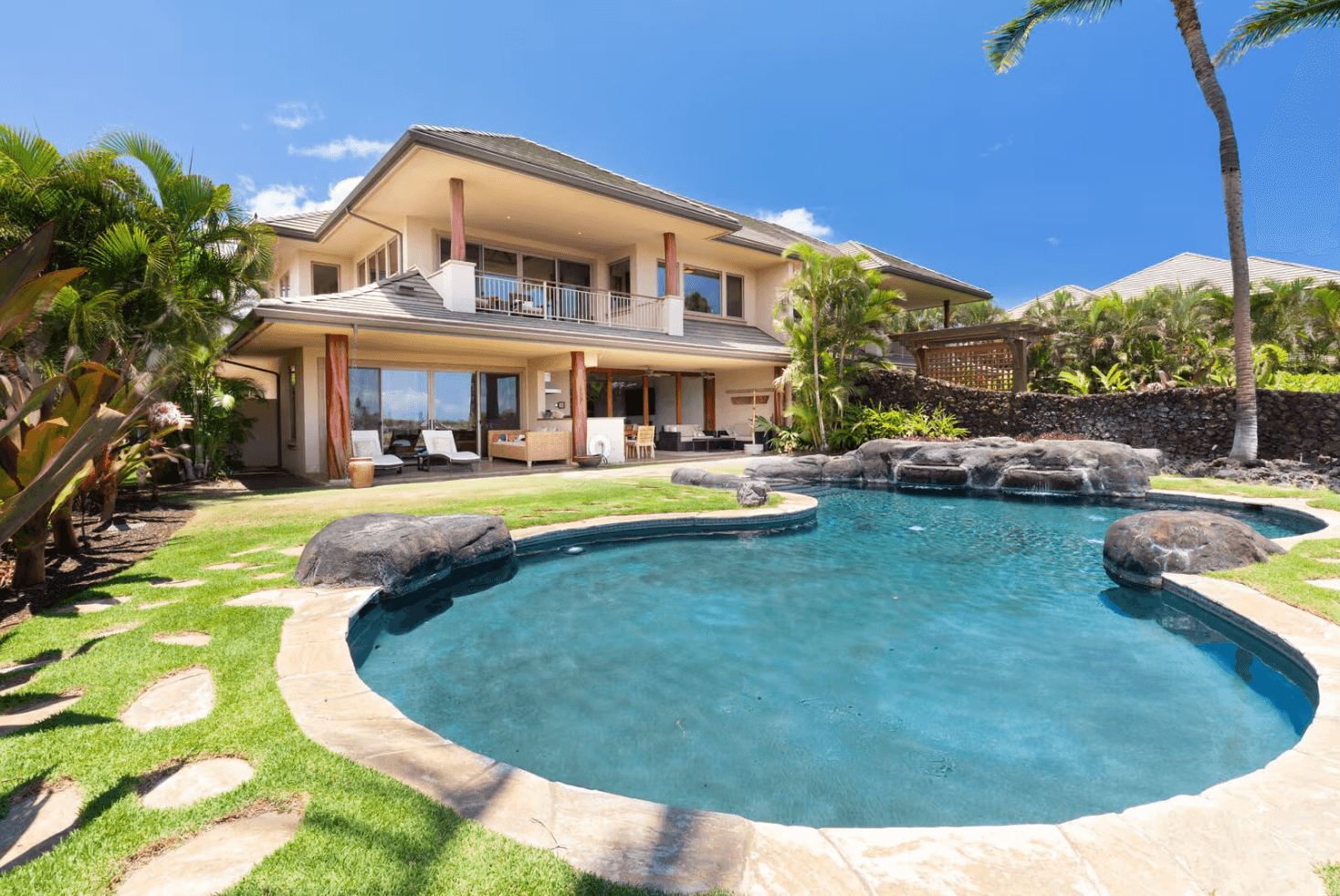
Explore our collection of premium Big Island homes designed for effortless travel.





Why KEY?
We curate exceptional homes and arrange every detail so you can simply arrive and relax.

A portfolio that's small on purpose
Professionally managed and vetted for comfort and style, our homes raise the bar.

Services to elevate your stay
After booking a home, complete your stay with services like pre-arrival groceries or a chef.

A team obsessed with every detail
From hand-selecting homes to coordinating logistics, we make planning seamless.
More beach destinations
Our beach destinations make choosing your perfect stay effortless.