The Ultimate Big Island Travel Guide
Plan the perfect Hawaii vacation with our Big Island travel guide. Discover where to stay, the best beaches, top activities, and when to visit the Big Island.
The Ultimate Big Island Travel Guide
Hawaii’s Big Island offers one of the most diverse travel experiences in the Hawaiian Islands. From volcanic landscapes and black-sand beaches to lush rainforests and world-class snorkeling, the island delivers a blend of natural beauty and adventure that few destinations can match.
Unlike many tropical destinations that center around a single town or resort area, the Big Island is vast—larger than all the other Hawaiian islands combined. This means each region offers something different, from the sunny beaches of the Kona Coast to the lush, waterfall-filled landscapes near Hilo.
Whether you’re planning your first visit or returning to explore more of the island’s landscapes, this guide covers everything you need to know to plan an effortless stay.
Where Is Hawaii’s Big Island?
The Big Island—officially called the Island of Hawaii—is the largest island in the Hawaiian archipelago. It sits southeast of Maui and covers more than 4,000 square miles, making it nearly twice the size of all the other Hawaiian islands combined.
Most visitors arrive through one of two airports:
Kona International Airport (KOA)
Located on the west side of the island, Kona is the primary arrival point for travelers staying along the sunny Kona and Kohala Coasts.
Hilo International Airport (ITO)
Located on the eastern side of the island, Hilo offers easier access to waterfalls, rainforests, and Hawaii Volcanoes National Park.
Because the island is so large, choosing where to stay plays a major role in shaping your experience.
Kona vs Hilo: Which Side of the Island Should You Stay On?
One of the most common questions travelers ask when planning a Big Island trip is whether to stay on the Kona side or the Hilo side.
Kona Coast
The Kona side of the island is where most travelers stay. It’s known for its dry, sunny climate, calm ocean waters, and proximity to beaches, snorkeling spots, and resorts.
Kona is ideal if you’re looking for:
- Sunny beach days
- Snorkeling and ocean activities
- Sunset views over the Pacific
- Dining and shopping options
Many of the island’s Big Island vacation homes are located along the Kona and Kohala coasts, offering convenient access to beaches and activities.
Hilo Side
Hilo offers a completely different atmosphere. Located on the island’s eastern side, it’s greener, quieter, and closer to some of the island’s most dramatic natural features.
Hilo is best known for:
- Waterfalls and rainforest landscapes
- Proximity to Hawaii Volcanoes National Park
- A more local, small-town atmosphere
Best Beaches on the Big Island
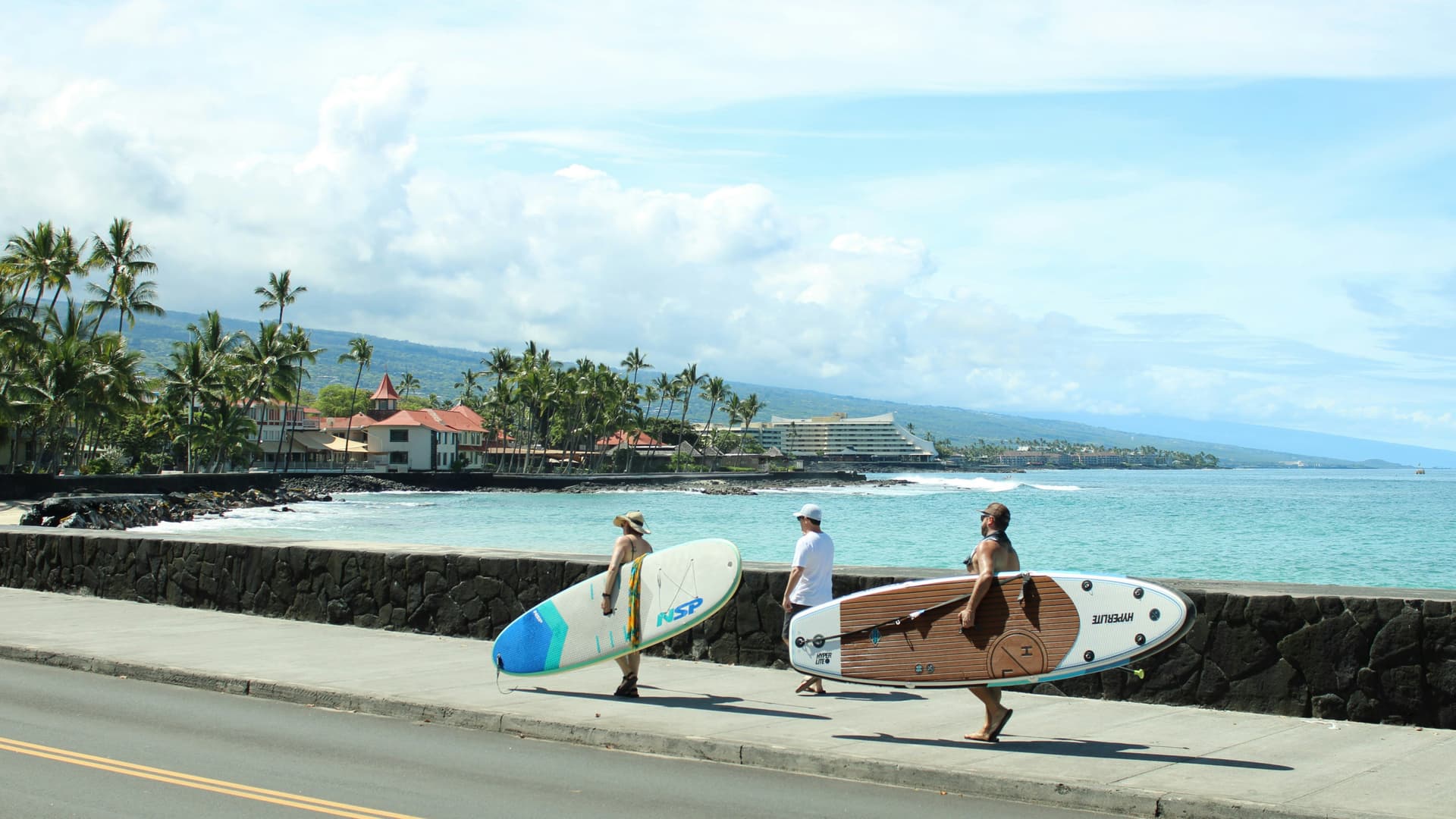
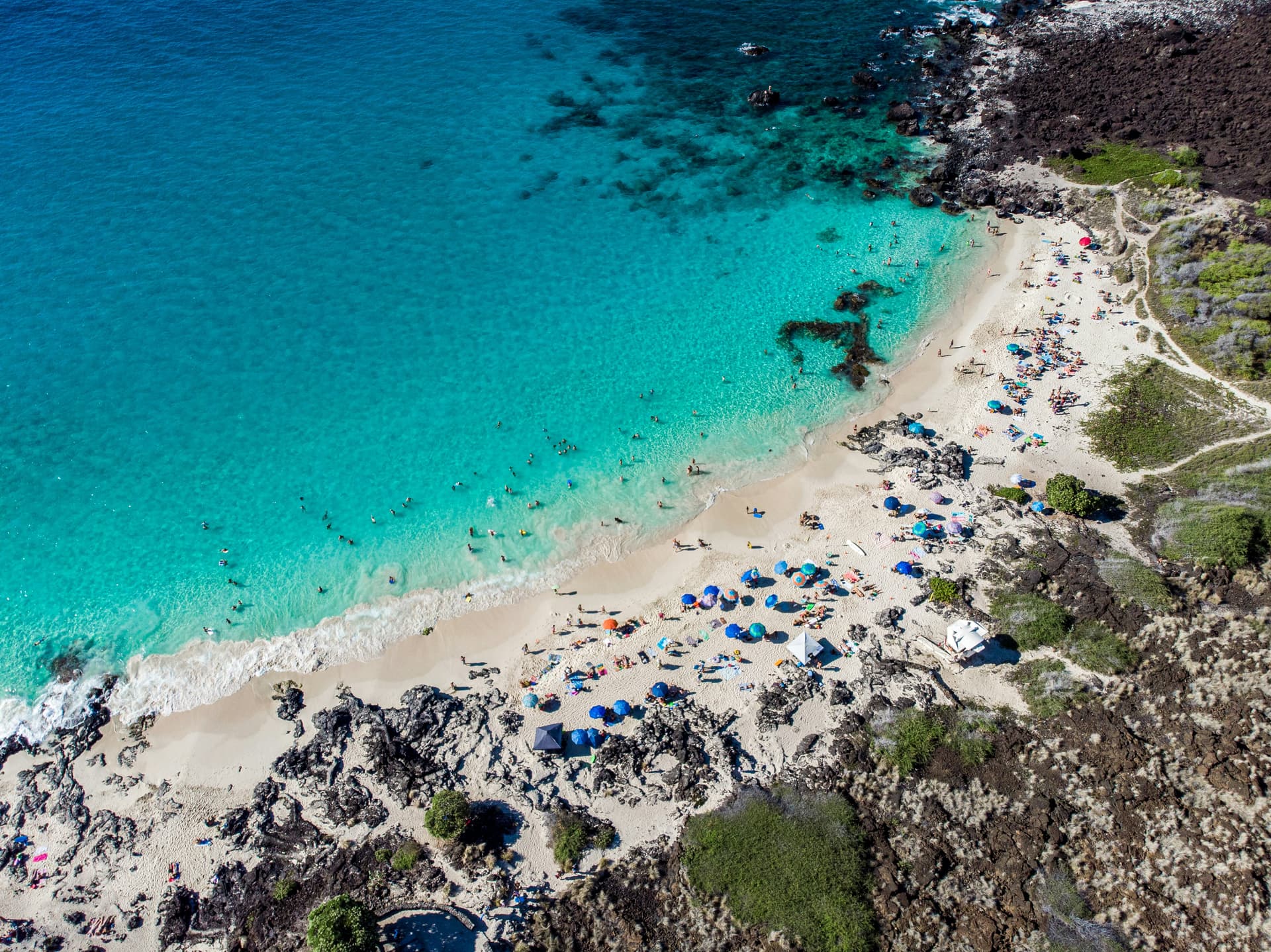
The Big Island’s beaches are remarkably varied, thanks to the island’s volcanic geology. Instead of miles of identical shoreline, you’ll find a mix of white-sand, black-sand, and lava-rock beaches.
Hapuna Beach
Hapuna Beach is one of the most famous beaches on the island—and one of the largest white-sand beaches in Hawaii. Its wide shoreline and clear water make it perfect for swimming and relaxing.
Mauna Kea Beach
Also known as Kauna‘oa Bay, this beach offers calm water and soft sand, making it a favorite for snorkeling and swimming.
Punaluʻu Black Sand Beach
Located on the island’s southern coast, Punaluʻu is one of Hawaii’s most famous black sand beaches. Sea turtles are frequently spotted here, making it a popular stop for visitors exploring the island.
Magic Sands Beach
Near Kona, Magic Sands is a small but lively beach known for its bright sand and strong waves.
Best Time to Visit the Big Island
One of the advantages of visiting Hawaii is that the climate is warm year-round. Still, certain seasons offer different advantages depending on your priorities.
Winter (December–March)
Winter is one of the most popular travel seasons in Hawaii. The weather remains warm, and the ocean often brings seasonal highlights like humpback whale sightings.
Spring (April–June)
Spring offers a great balance of pleasant weather and fewer crowds. This is a favorite time for travelers who want to enjoy beaches and activities without peak-season demand.
Summer (July–September)
Summer is the warmest and busiest season. Families often visit during this time due to school holidays, and ocean conditions are typically excellent for snorkeling.
Fall (October–November)
Fall tends to be quieter, with warm ocean temperatures and fewer visitors. It’s a great time to explore the island at a slower pace.
Getting Around the Big Island
Because of its size, exploring the Big Island almost always requires a car. Distances between regions can be significant—for example, driving from Kona to Hilo takes about two hours.
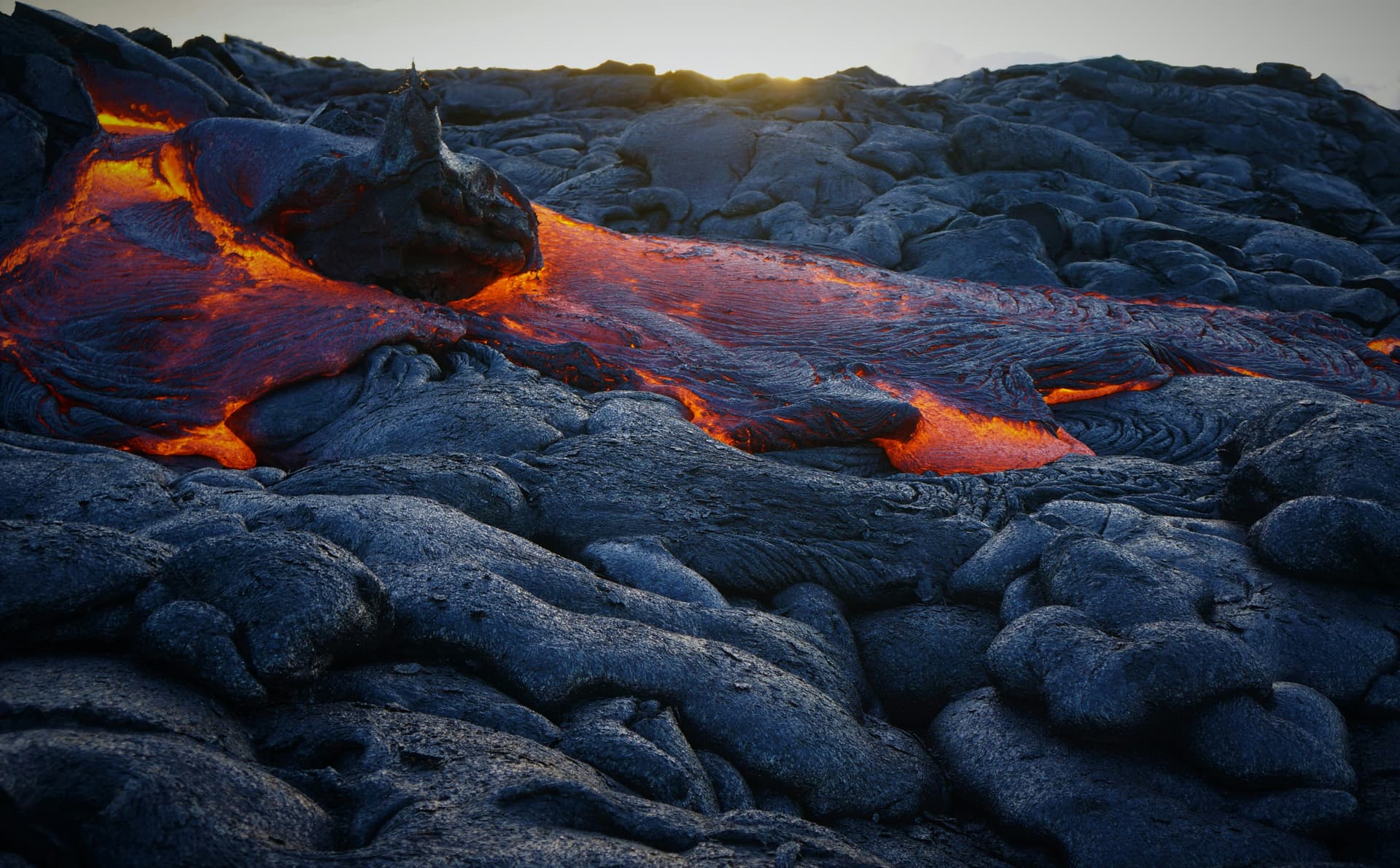
However, the island’s road network makes exploration rewarding. Scenic drives pass lava fields, coastline views, rainforests, and small towns.
Popular road trips include:
- Kona to Hawaii Volcanoes National Park
- The Hamakua Coast scenic drive
- Saddle Road between Kona and Hilo
Many visitors choose to plan day trips to explore different parts of the island.
Top Experiences on the Big Island
Beyond its beaches, the Big Island offers a range of unforgettable experiences.
Hawaii Volcanoes National Park
Home to two of the world’s most active volcanoes, this national park allows visitors to see lava fields, craters, and dramatic landscapes unlike anywhere else.
Snorkeling and Ocean Activities
The Kona Coast is famous for its clear water and marine life. Popular snorkeling locations include Kealakekua Bay and Two Step.
Coffee Farms in Kona
The Kona region produces some of the world’s most famous coffee. Visitors can tour coffee farms and learn about the production process.
Stargazing on Mauna Kea
Mauna Kea’s summit offers some of the clearest night skies on Earth, making it an incredible place for stargazing.
Why Vacation Homes Are One of the Best Ways to Stay on the Big Island
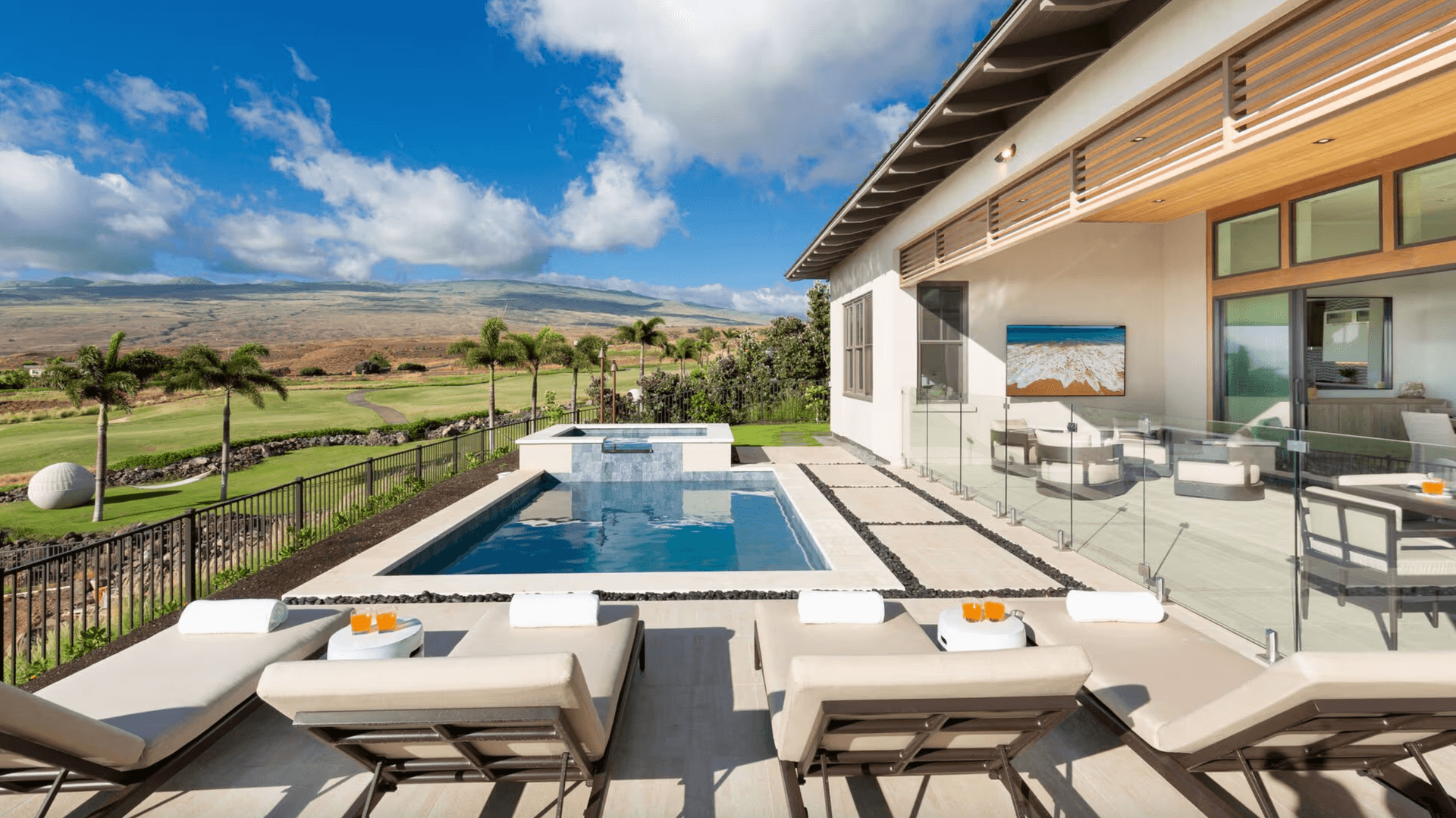
While resorts are available throughout the island, many travelers prefer vacation homes for the space, privacy, and flexibility they offer.
Benefits of staying in a vacation home include:
- More space for families or groups
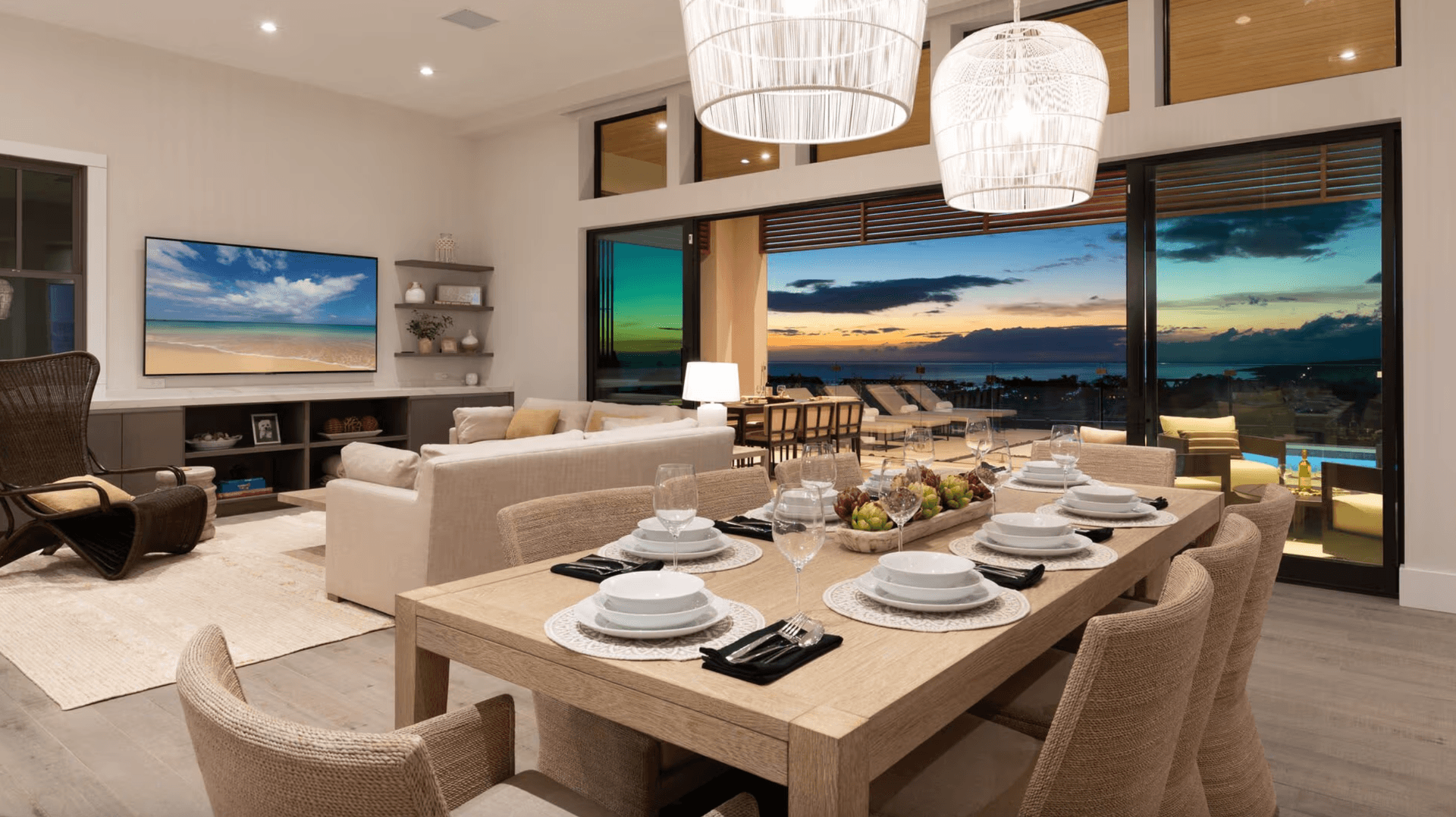
- Full kitchens and living areas
- Outdoor spaces and ocean views
A more residential, local experience
Planning Your Big Island Itinerary
Because the island is so large, it’s helpful to balance exploration with downtime. Many visitors plan their days around one main activity, such as snorkeling, visiting Volcanoes National Park, or exploring waterfalls.
Evenings often revolve around sunset views, local dining, or relaxing at your vacation home.
This rhythm allows you to enjoy the island without feeling rushed.
Final Thoughts on Visiting the Big Island
The Big Island offers a travel experience that’s both adventurous and restorative. Few destinations combine volcanic landscapes, lush rainforests, pristine beaches, and cultural heritage in one place.
Whether you’re exploring national parks, snorkeling in clear coastal waters, or simply enjoying sunset views from your home, the island rewards travelers who slow down and take it all in.
Homes that inspire
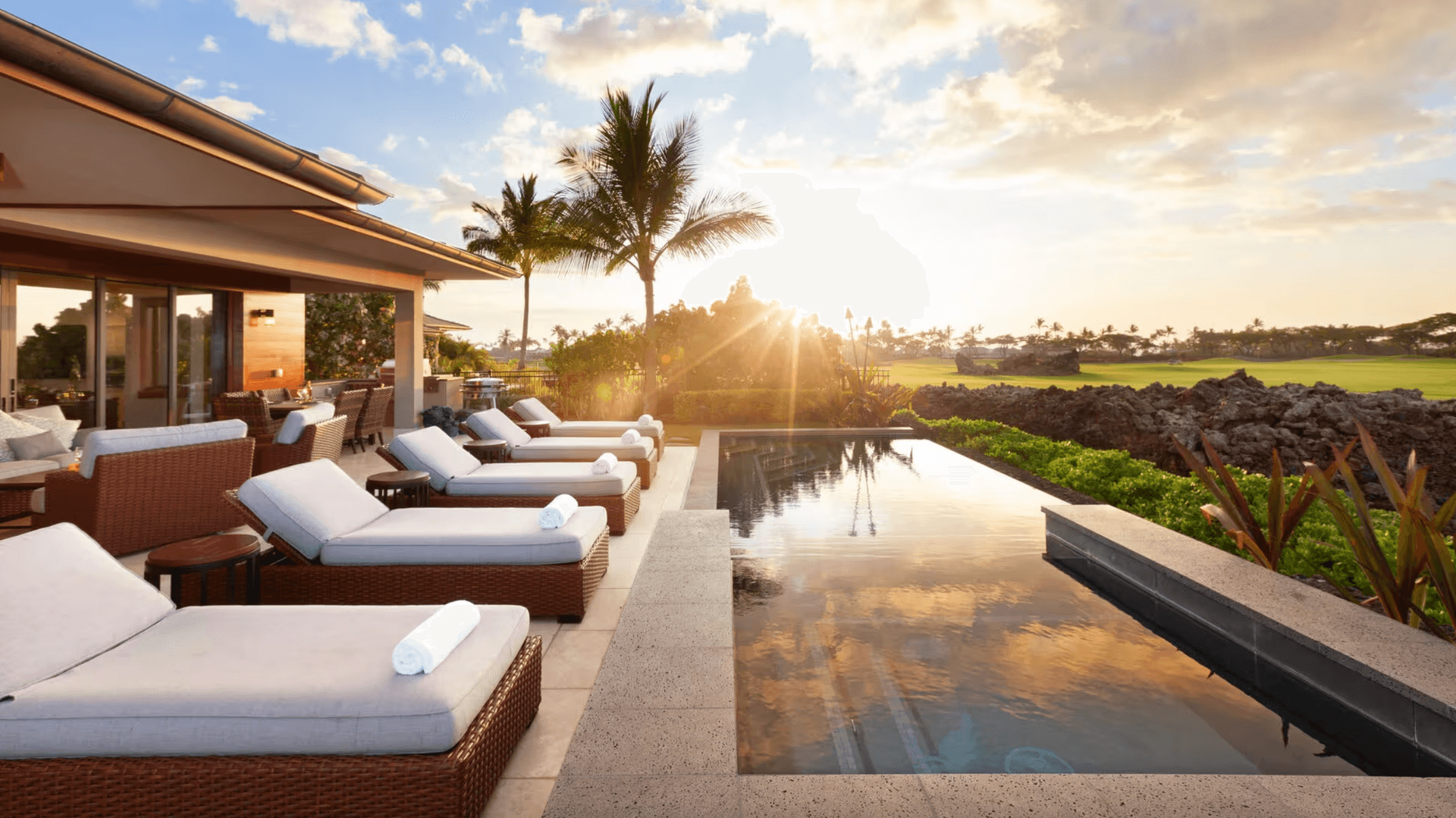
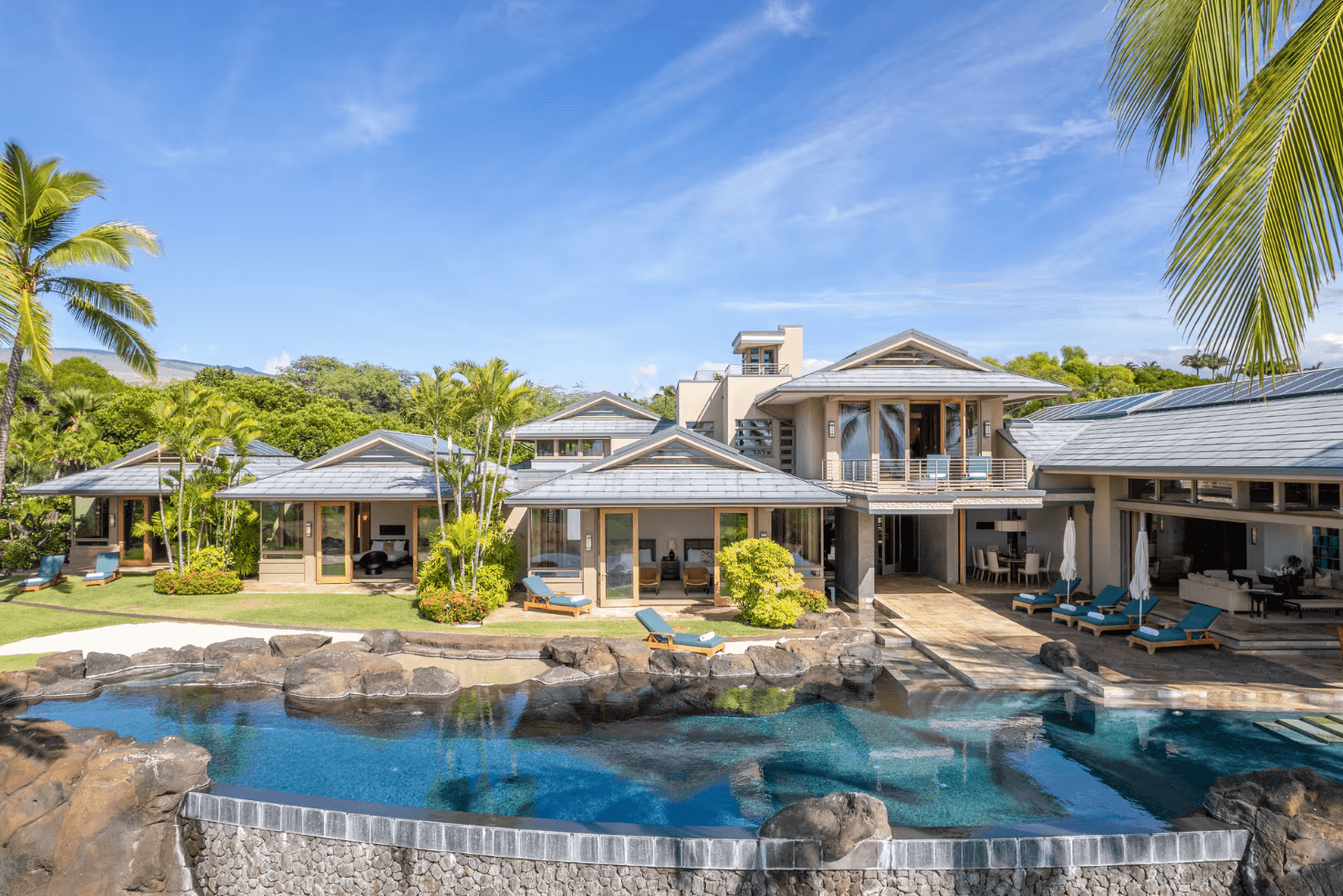
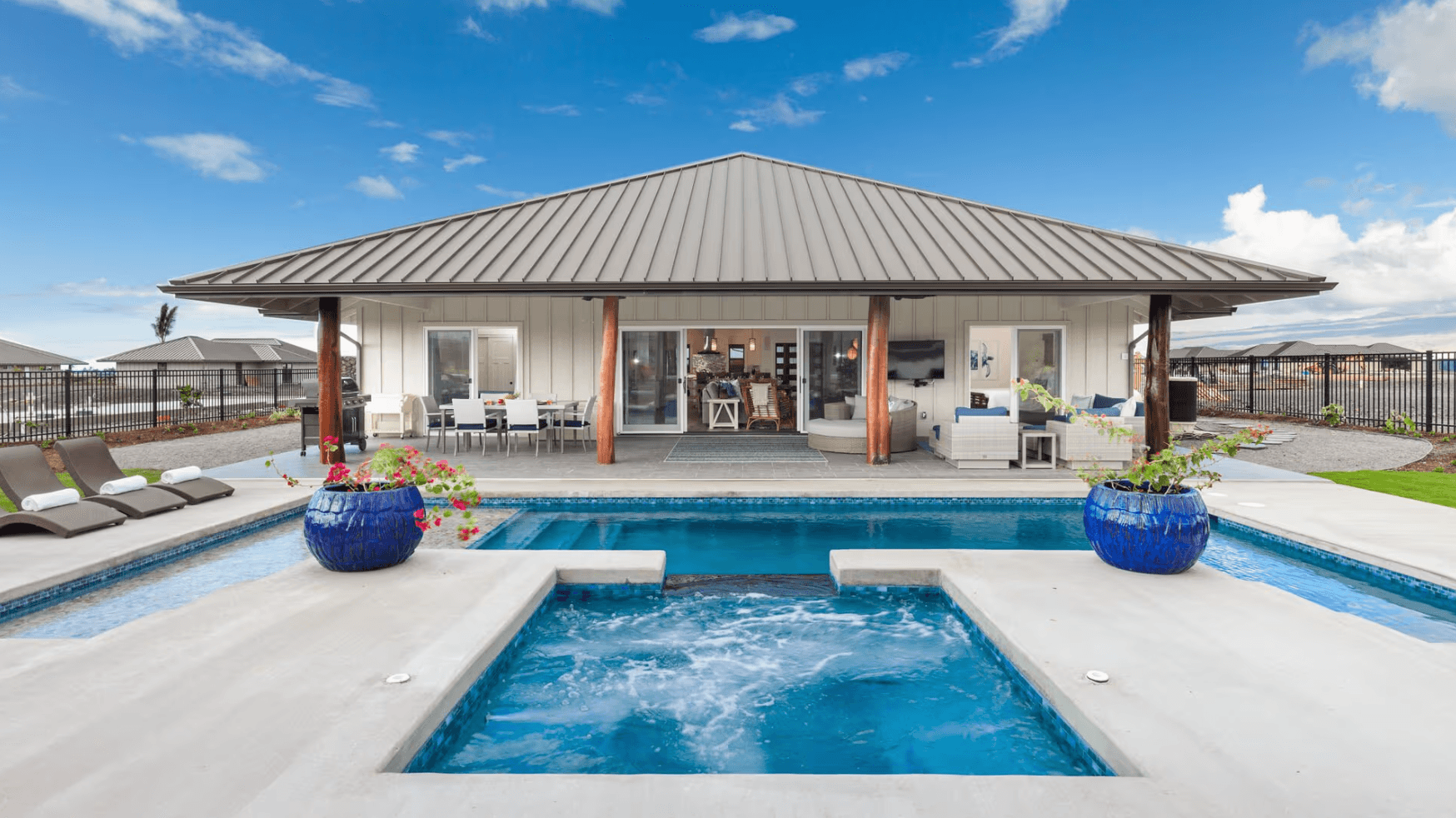
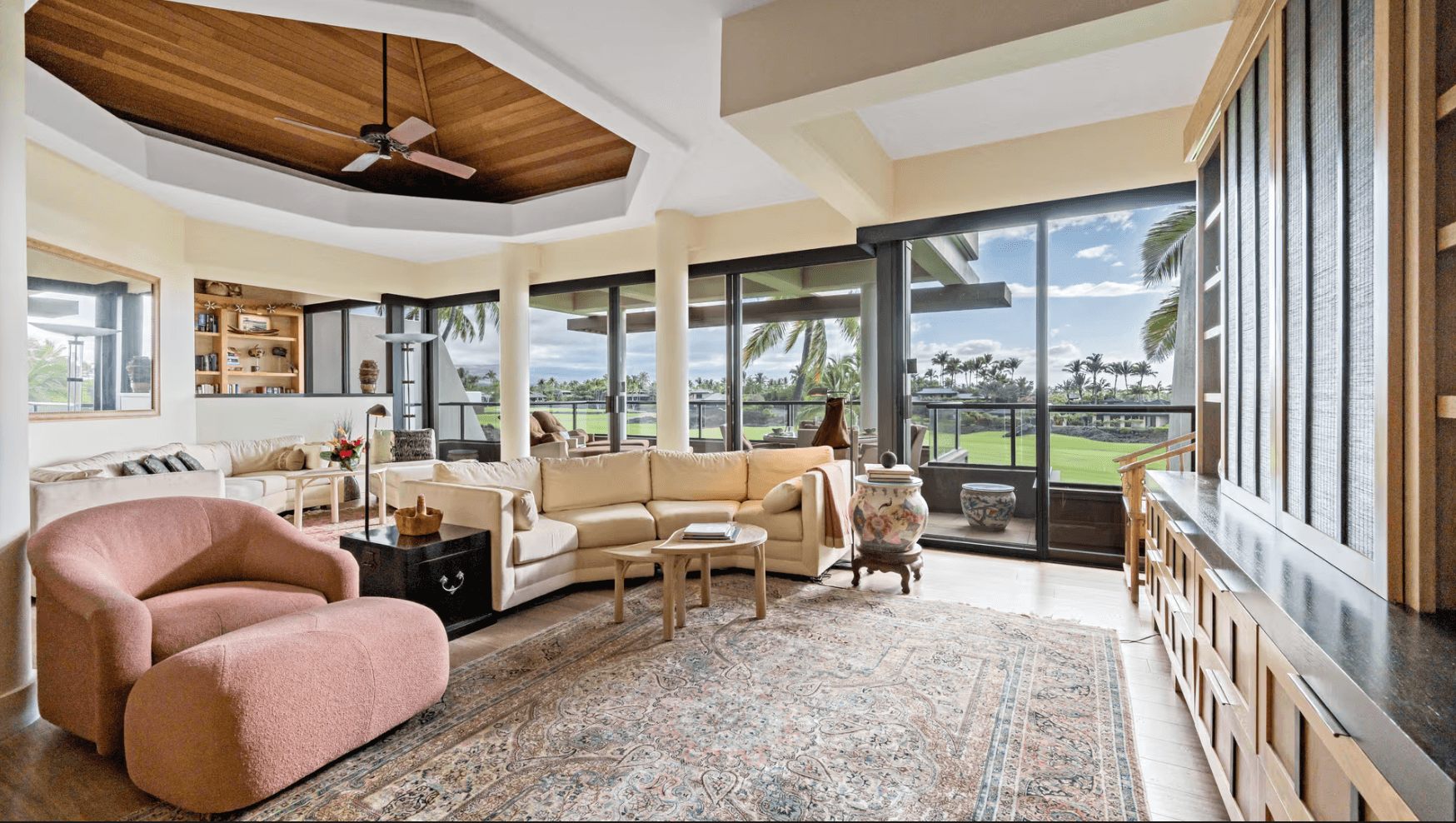
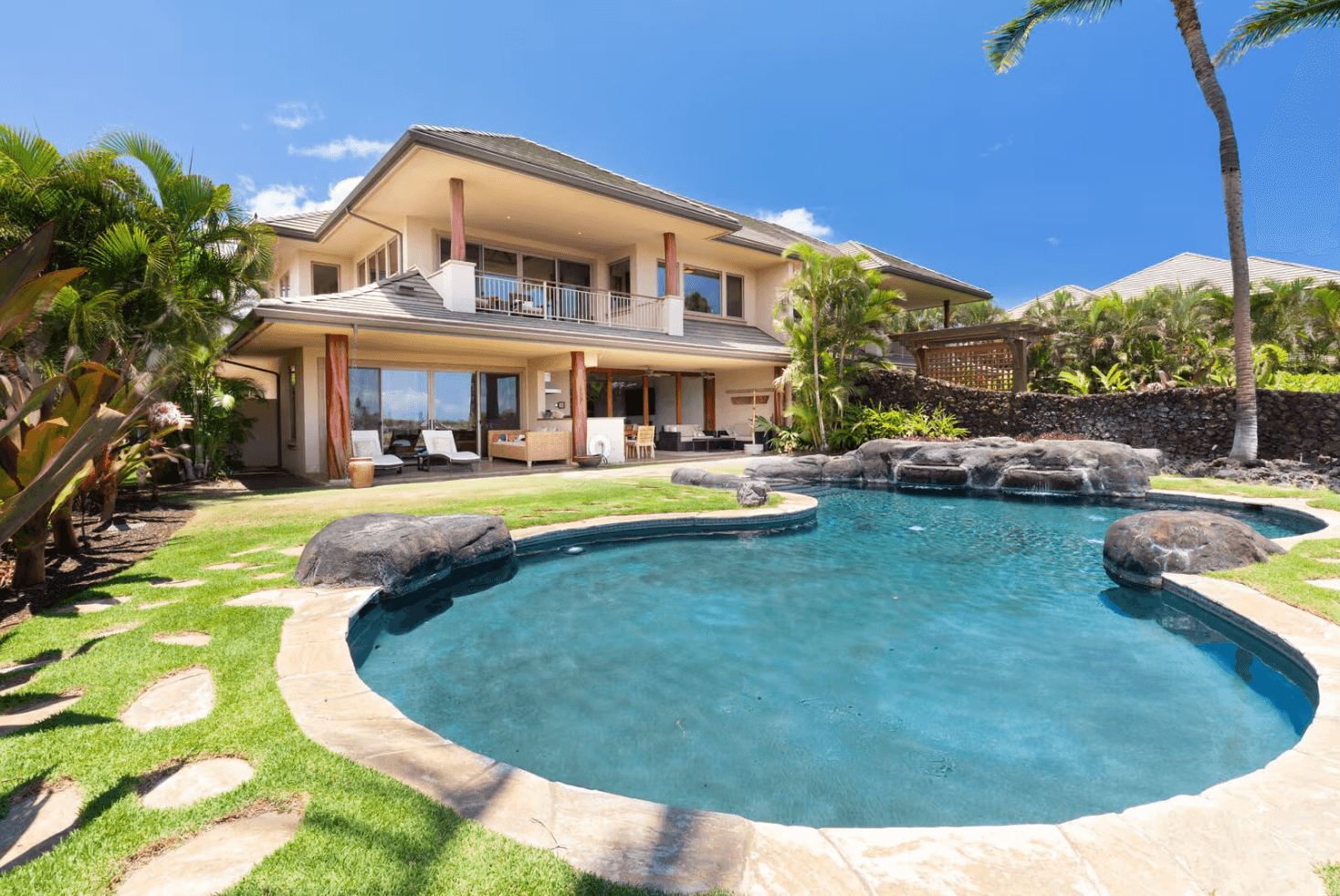
Explore our collection of premium Big Island homes designed for effortless travel.
Frequently asked questions
- Do I need a car to get around the Big Island? Yes. The island's size makes a car essential. Driving from Kona to Hilo takes about two hours, and most of the island's top experiences, from Hawaii Volcanoes National Park to the Hamakua Coast, are best reached by scenic drives rather than centralized transit.
- What's the best time of year to visit the Big Island? The island is warm year-round, so timing comes down to priorities. Winter (December–March) brings humpback whale season, spring (April–June) offers fewer crowds, summer (July–September) is the busiest with the best snorkeling conditions, and fall (October–November) is quieter and ideal for a slower-paced visit.
- How big is the Big Island compared to the other Hawaiian islands? The Big Island — officially the Island of Hawaii — is the largest in the Hawaiian archipelago, covering more than 4,000 square miles. It's nearly twice the size of all the other Hawaiian islands combined, which is why each region of the island offers such a distinct experience.
- Is a vacation home a good option for a Big Island trip? Yes. Many travelers prefer vacation homes for the extra space, full kitchens, and private outdoor areas, especially for families or groups covering multiple regions of the island during their stay.
Where Is Hawaii’s Big Island?
The Big Island—officially called the Island of Hawaii—is the largest island in the Hawaiian archipelago. It sits southeast of Maui and covers more than 4,000 square miles, making it nearly twice the size of all the other Hawaiian islands combined.
Most visitors arrive through one of two airports:
Kona International Airport (KOA)
Located on the west side of the island, Kona is the primary arrival point for travelers staying along the sunny Kona and Kohala Coasts.
Hilo International Airport (ITO)
Located on the eastern side of the island, Hilo offers easier access to waterfalls, rainforests, and Hawaii Volcanoes National Park.
Because the island is so large, choosing where to stay plays a major role in shaping your experience.
Kona vs Hilo: Which Side of the Island Should You Stay On?
One of the most common questions travelers ask when planning a Big Island trip is whether to stay on the Kona side or the Hilo side.
Kona Coast
The Kona side of the island is where most travelers stay. It’s known for its dry, sunny climate, calm ocean waters, and proximity to beaches, snorkeling spots, and resorts.
Kona is ideal if you’re looking for:
- Sunny beach days
- Snorkeling and ocean activities
- Sunset views over the Pacific
- Dining and shopping options
Many of the island’s Big Island vacation homes are located along the Kona and Kohala coasts, offering convenient access to beaches and activities.
Hilo Side
Hilo offers a completely different atmosphere. Located on the island’s eastern side, it’s greener, quieter, and closer to some of the island’s most dramatic natural features.
Hilo is best known for:
- Waterfalls and rainforest landscapes
- Proximity to Hawaii Volcanoes National Park
- A more local, small-town atmosphere
Best Beaches on the Big Island
The Big Island’s beaches are remarkably varied, thanks to the island’s volcanic geology. Instead of miles of identical shoreline, you’ll find a mix of white-sand, black-sand, and lava-rock beaches.
Hapuna Beach
Hapuna Beach is one of the most famous beaches on the island—and one of the largest white-sand beaches in Hawaii. Its wide shoreline and clear water make it perfect for swimming and relaxing.
Mauna Kea Beach
Also known as Kauna‘oa Bay, this beach offers calm water and soft sand, making it a favorite for snorkeling and swimming.
Punaluʻu Black Sand Beach
Located on the island’s southern coast, Punaluʻu is one of Hawaii’s most famous black sand beaches. Sea turtles are frequently spotted here, making it a popular stop for visitors exploring the island.
Magic Sands Beach
Near Kona, Magic Sands is a small but lively beach known for its bright sand and strong waves.
Best Time to Visit the Big Island
One of the advantages of visiting Hawaii is that the climate is warm year-round. Still, certain seasons offer different advantages depending on your priorities.
Winter (December–March)
Winter is one of the most popular travel seasons in Hawaii. The weather remains warm, and the ocean often brings seasonal highlights like humpback whale sightings.
Spring (April–June)
Spring offers a great balance of pleasant weather and fewer crowds. This is a favorite time for travelers who want to enjoy beaches and activities without peak-season demand.
Summer (July–September)
Summer is the warmest and busiest season. Families often visit during this time due to school holidays, and ocean conditions are typically excellent for snorkeling.
Fall (October–November)
Fall tends to be quieter, with warm ocean temperatures and fewer visitors. It’s a great time to explore the island at a slower pace.
Getting Around the Big Island
Because of its size, exploring the Big Island almost always requires a car. Distances between regions can be significant—for example, driving from Kona to Hilo takes about two hours.
However, the island’s road network makes exploration rewarding. Scenic drives pass lava fields, coastline views, rainforests, and small towns.
Popular road trips include:
- Kona to Hawaii Volcanoes National Park
- The Hamakua Coast scenic drive
- Saddle Road between Kona and Hilo
Many visitors choose to plan day trips to explore different parts of the island.
Top Experiences on the Big Island
Beyond its beaches, the Big Island offers a range of unforgettable experiences.
Hawaii Volcanoes National Park
Home to two of the world’s most active volcanoes, this national park allows visitors to see lava fields, craters, and dramatic landscapes unlike anywhere else.
Snorkeling and Ocean Activities
The Kona Coast is famous for its clear water and marine life. Popular snorkeling locations include Kealakekua Bay and Two Step.
Coffee Farms in Kona
The Kona region produces some of the world’s most famous coffee. Visitors can tour coffee farms and learn about the production process.
Stargazing on Mauna Kea
Mauna Kea’s summit offers some of the clearest night skies on Earth, making it an incredible place for stargazing.
Why Vacation Homes Are One of the Best Ways to Stay on the Big Island
While resorts are available throughout the island, many travelers prefer vacation homes for the space, privacy, and flexibility they offer.
Benefits of staying in a vacation home include:
- More space for families or groups
- Full kitchens and living areas
- Outdoor spaces and ocean views
A more residential, local experience
Planning Your Big Island Itinerary
Because the island is so large, it’s helpful to balance exploration with downtime. Many visitors plan their days around one main activity, such as snorkeling, visiting Volcanoes National Park, or exploring waterfalls.
Evenings often revolve around sunset views, local dining, or relaxing at your vacation home.
This rhythm allows you to enjoy the island without feeling rushed.
Final Thoughts on Visiting the Big Island
The Big Island offers a travel experience that’s both adventurous and restorative. Few destinations combine volcanic landscapes, lush rainforests, pristine beaches, and cultural heritage in one place.
Whether you’re exploring national parks, snorkeling in clear coastal waters, or simply enjoying sunset views from your home, the island rewards travelers who slow down and take it all in.
Why KEY?
We curate exceptional homes and arrange every detail so you can simply arrive and relax.
A portfolio that's small on purpose
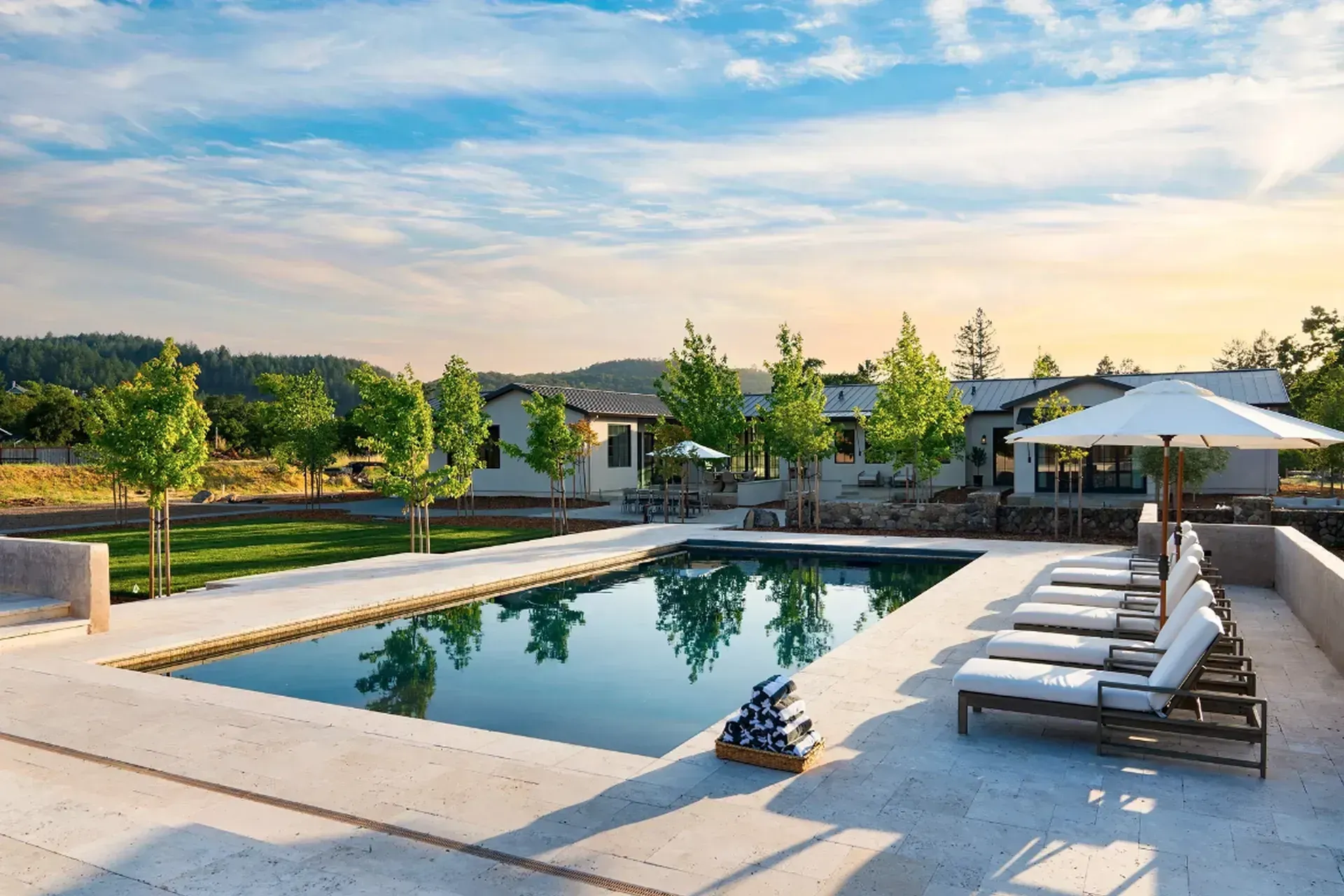
Professionally managed and vetted for comfort and style, our homes raise the bar.
Services to elevate your stay
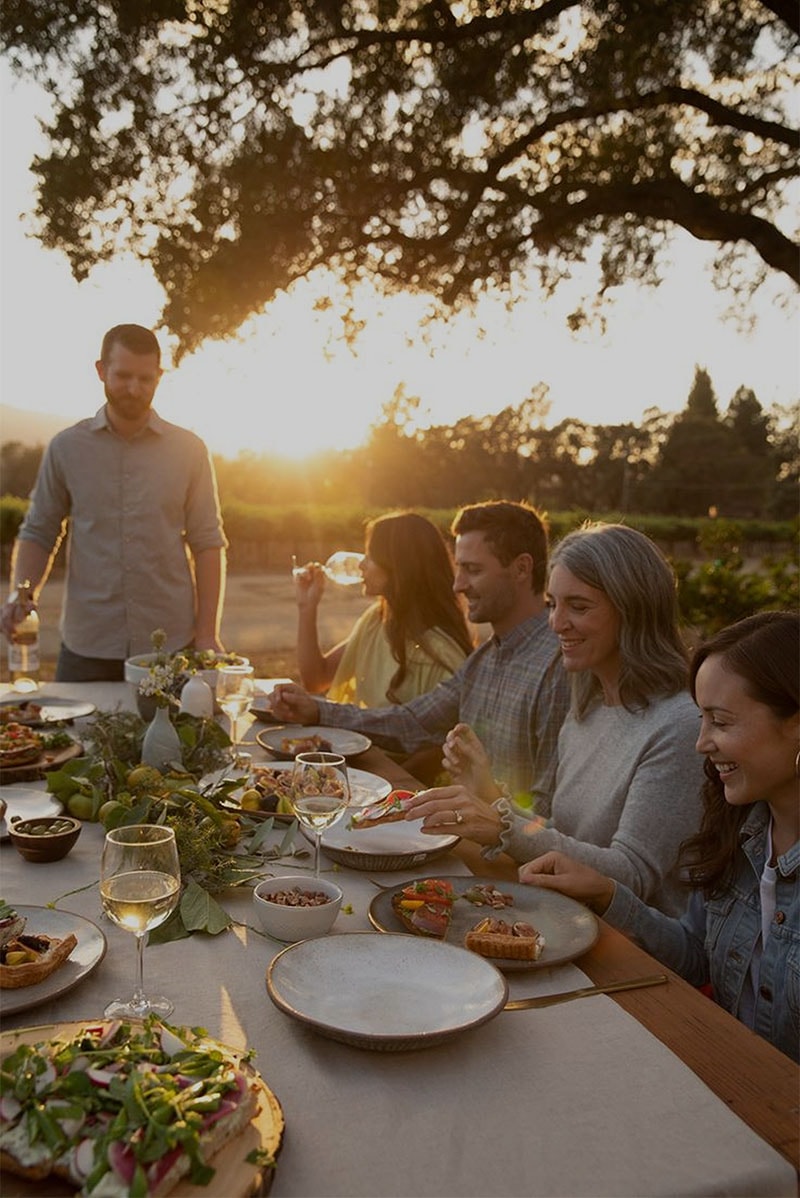
After booking a home, complete your stay with services like pre-arrival groceries or a chef.

A team obsessed with every detail
From hand-selecting homes to coordinating logistics, we make planning seamless.
More beach destinations
Our beach destinations make choosing your perfect stay effortless.